Webrick Performance and Security Best Practices
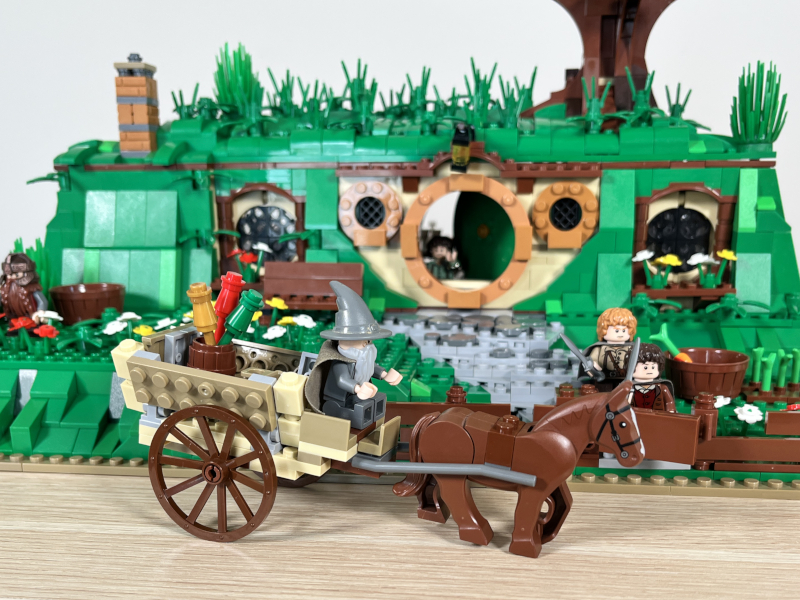
You know the cozy, round-doored home from The Hobbit—Bilbo Baggins’ Bag End—and this review looks at a set that aims to recreate it. The piece will show how well Webrick’s model captures the home’s warm, lived-in feel and whether it brings that famous corner of Middle-earth to life for fans and builders.
You’ll read about the set’s design, how detailed and true-to-source the features feel, and whether it gives you the charm and comfort you expect from Bag End.
What is it?
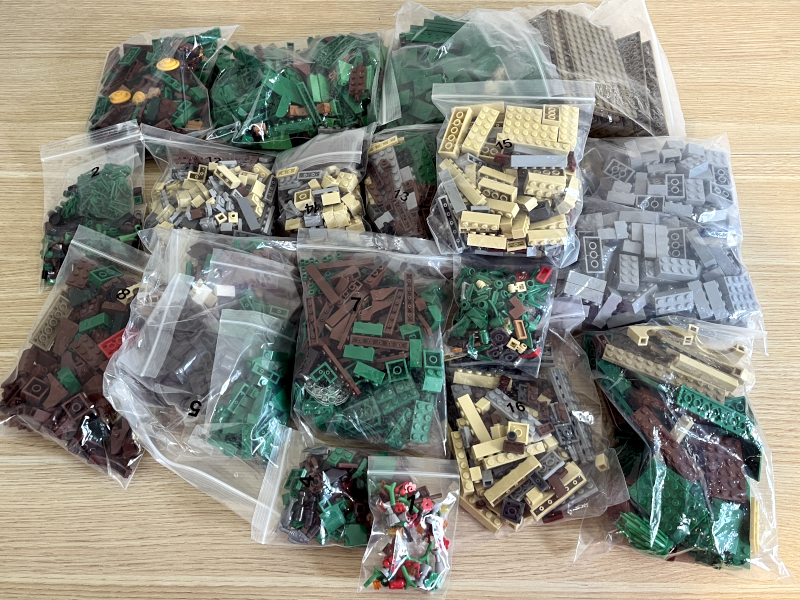
You get a LEGO-style set that recreates Bilbo’s cozy home. It includes many rooms like a pantry and dining area, plus lots of plants and flowers outside.
The kit has 2,370 common pieces in green, brown, tan, and gray. You receive interior accessories such as food items and dishes to stage scenes.
This product comes from a group focused on helping builders make detailed custom models and tools, including virtual-host style organization and optional SSL-like security features for online sharing.
What’s inside your order?
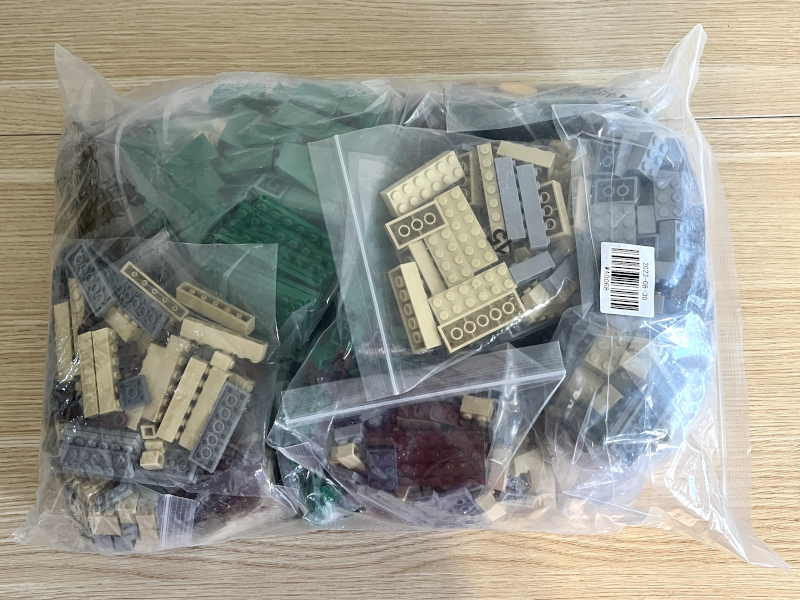
When you buy a MOC kit from Webrick, expect parts and a download link — not a branded box or printed manual. Webrick sends the loose elements in plain packaging to cut shipping costs. You won’t find official LEGO boxes, logos, or a paper packing list inside the parcel.
What you get:
- A sealed bag or several bags of loose bricks, sorted by type or color depending on the pack.
- A printed label on the outer mailer with a simple identifier or order number.
- A URL or QR code that leads to a PDF instruction file you can download and print.
What you won’t get:
- Official LEGO packaging or branded artwork.
- Printed step-by-step instructions tucked inside the shipment.
- Mini figures, animals, or extra accessories unless the product page clearly lists them.
How to prepare
- Have a clean work area and some small trays or bowls to separate parts.
- Download the PDF instructions right away and save a local copy.
- Check the parts list in the PDF against the bricks you received so you can spot any missing items early.
Using the parts list
- The PDF usually contains a parts inventory with counts and element images.
- Mark off each item as you sort to verify your set is complete.
- If pieces are missing, use the contact method shown on the product page to request replacements.
Practical tips for building
- Group identical pieces together to speed up assembly.
- If the kit lacks a numbered bag system, follow the PDF page by page and pull parts only as needed.
- Keep small loose parts in a container to avoid losing them.
Why no box?
- Selling without a box cuts weight and bulk, which lowers shipping fees.
- Webrick passes those savings on to buyers, so the kit costs less than a boxed alternative.
What about extras like minifigures?
- MOC sellers often show models with minifigures for scale or display, but these figures may not be included.
- Read the product description closely to see if figures or special elements are listed as part of the set.
Troubleshooting common issues
- If the PDF link is missing or broken, check your order confirmation email first.
- Keep photos of the parts you received and the packing slip if you need customer support.
- Note the [bin/setup] or similar script references on download pages if the creator offers build tools or parts-upload helpers; these help match your inventory to the instructions.
This approach keeps shipping lean and keeps costs down, but it places some work on you to verify parts and download the digital instructions.
Design
Setup
You will need to prepare space and tools before you start building. Clear a large, flat work surface and keep the instruction PDF or images nearby on a tablet or computer. Sorting trays or small bowls speed up the build because the set arrives unsorted and without a brick separator.
Begin by assembling small, stand-alone elements first. The cart with fireworks and the small accessories take less time and give you practice locating parts. These pieces also free up space and reduce clutter when you move on to larger sections.
Next, join the large base plates to form the foundation and front lawn. The big flat pieces may not lie perfectly flat at first. Press them firmly together and add weight with other parts to help them settle. Expect some warped plates; they usually become less noticeable once the full build holds them down.
Build the lawn, walkway, steps, and fences before raising walls. The designer layers the ground to create a gentle slope from the fence to the front door. Follow that order so the exterior details fit cleanly. Leaving studs visible is part of the intended look, so don’t force extra cover pieces that would hide textured details.
When you start the interior rooms, work room by room. The kitchen and other small rooms include many tiny accessories like dishes and food. Add those items when the shelves or surfaces are reachable. If a step blocks placement later, disassemble and reassemble in the order that lets you place items easily.
Keep the instruction file accessible and zoom in when needed. Rotate views on the PDF app to reveal hidden connection points. If a step shows a piece but not its orientation, compare surrounding steps to find reference studs or colors.
Use a checklist to track progress through major subassemblies:
- Cart and accessories
- Base plates and lawn
- Walkway, steps, and fences
- Garden and roof vegetation
- Interior rooms (kitchen, entry, pantry, bedroom, dining area)
Check tightness as you assemble. Many pieces fit snugly; press firmly to seat studs. A careful hand will avoid forced bends or broken studs. When connecting large base sections, place reinforcing pieces that cross seams to increase strength and prevent future warping.
If pieces appear to be floating or unsupported in the instructions, pause and review adjacent steps. Sometimes later pieces provide the needed anchor. Don’t add isolated elements too early; wait until the structure around them exists or can be temporarily supported.
Organize parts by type and color to speed locating small elements like flowers, stems, and tiny plates. Group larger parts separately so you can find foundation pieces quickly when the instructions call for them.
If you need extras or replacements, note that third-party suppliers may sell instruction files or spare parts separately. Keep a list of missing or damaged items as you unbox so you can decide whether to substitute parts from your collection.
Finally, expect high re-use value from the basic inventory. Save extra common plates and slopes for future builds. The color palette suits outdoor scenes, so you can reuse many pieces for landscapes and custom houses.
What you enjoy
- You like a cozy, detailed set that kids can handle and play with.
- You value sturdy bricks that fit well and last.
- You appreciate clever features like hidden ruby blocks, ERB-style pages for notes, and a safe shutdown hook for stored pieces.
What I’d change
- Include every part so your users don’t miss pieces during assembly.
- Work with designers to make clearer, step-by-step instructions.
- Drop the price to match rivals and boost sales.
- Add mini figs as low-cost extras to increase value.
Final thoughts
You’ll enjoy the look and play value of this build if you like detailed, display-worthy models. The designer kept the original feel while adding useful pieces you can reuse in other builds. Brick quality feels solid for most parts, so the set works well in a kid’s collection or on a shelf.
Expect some friction when you build. The instructions can be hard to follow, and missing interior accessories may force you to search for replacements. Because you can’t know exactly which extras the seller includes, plan on possible gaps in the final display or play setup.
Price matters here. The set costs more than many official options and costs far more than several other third-party models. Think about whether unique parts or the exact look justify that premium for you. If budget is tight, compare alternatives before you buy.
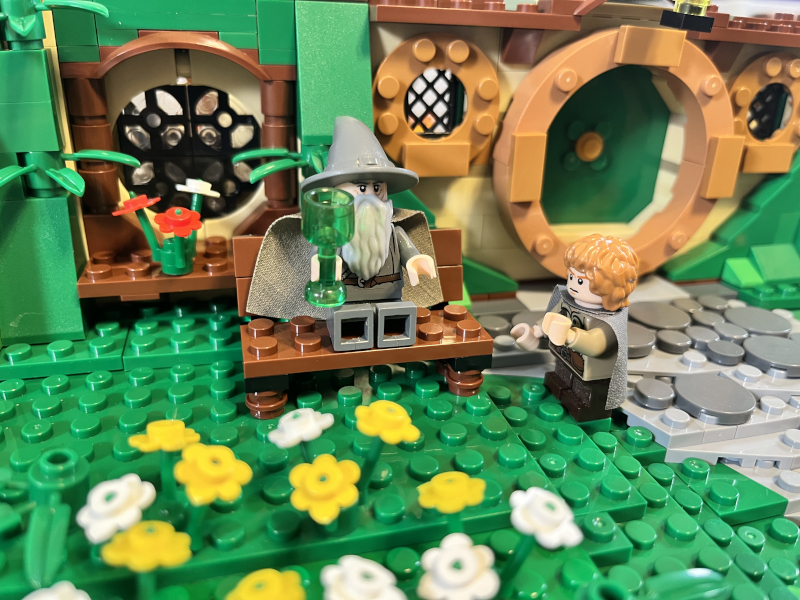
You’ll likely want character minifigures to get the most fun from the scene. The seller does not include those figures, so you’ll need to buy them separately. Check secondary markets like rubygems.org listings or general marketplaces, but be ready for higher prices and limited availability.
Use a checklist before you pay. Confirm what pieces the seller guarantees and ask about returns or refunds for missing items. If you value clean, reliable instructions and a full set of accessories, weigh those needs heavily against the set’s visual and reuse benefits.
If you decide to buy, keep documentation of the sale and any license or terms the seller shares. Some third-party creators publish their instructions under permissive terms similar to a 2-clause BSD license, which affects how you can share or modify digital instructions. Know your rights before you download or distribute files.
Bold the priorities that matter to you: cost, completeness, and build experience. That will help you make a clear decision. If you want display value and reusable bricks and can accept extra cost and some missing parts, this set can be a good fit for your collection.