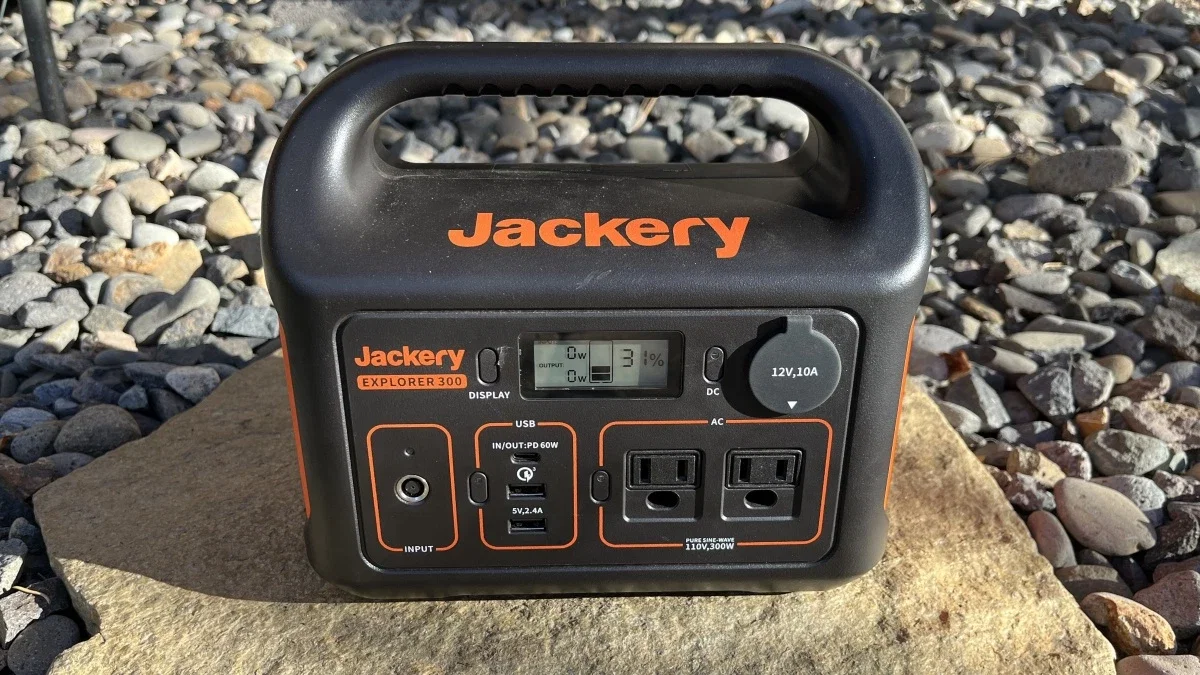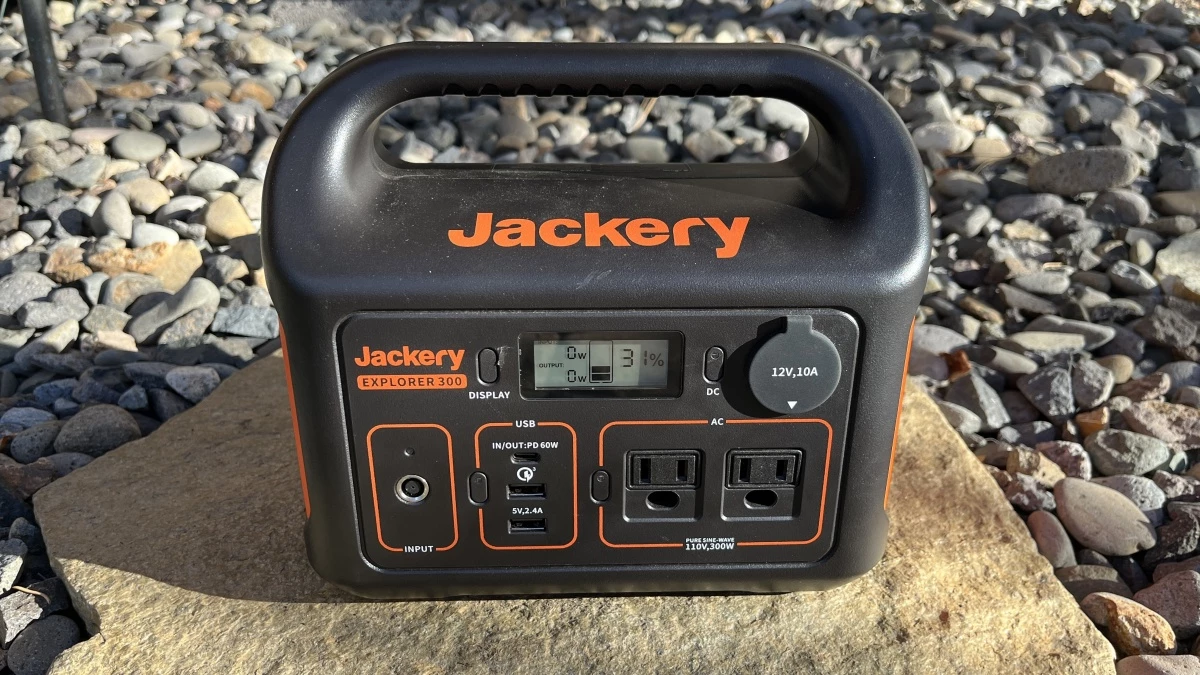
If you’re looking for a compact portable power station that can keep your devices running on the go, the Jackery Explorer 300 is one of the most popular options on the market in 2026. In this detailed Jackery review, we’ll break down why this lightweight battery pack is a favorite among campers, travelers, and anyone who needs reliable off-grid power — and also where it falls short compared to larger models.
What Is the Jackery Explorer 300?
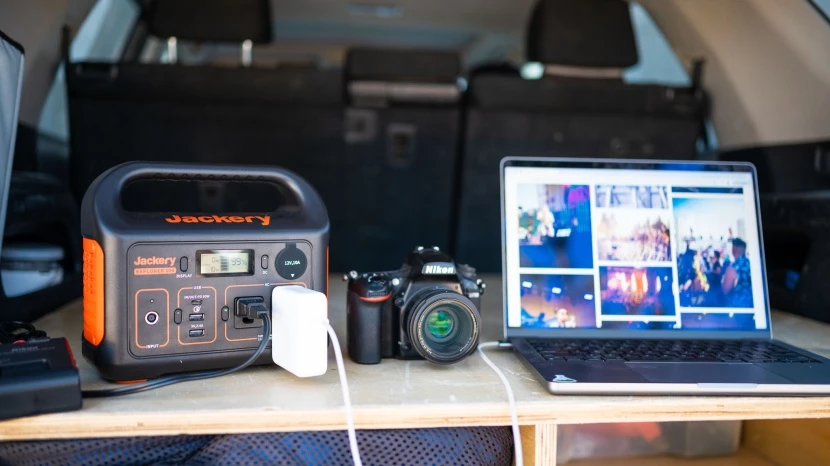
The Jackery Explorer 300 is a 293 Wh portable power station designed to provide on-the-go power for small electronics like phones, laptops, cameras, and more. Its size strikes a balance between capacity and portability, making it ideal for weekend camping trips, outdoor adventures, or emergency back-up power during a blackout.
The Explorer 300 sits between small power banks and larger home backup generators — offering more energy than a battery pack but without the bulk and weight of traditional power stations.
Key Specs and Features
Here’s a closer look at the core features and specifications that define the Jackery Explorer 300:
⚡ Battery Capacity & Output
-
Capacity: ~293 Wh lithium-ion battery — enough for charging phones multiple times and running laptops or small devices.
-
AC Output: 300 W continuous with up to 500 W surge (pure sine wave) for powering small appliances.
🔌 Port Variety
-
AC Outlet(s): Standard three-prong plug for devices that require mains power.
-
USB-C and USB-A Ports: Multiple output ports for phones, tablets, cameras, and more — very handy for modern gadgets.
-
DC Car Port: Lets you power car-style devices like coolers and CPAP machines.
☀️ Solar-Ready Charging
The Explorer 300 is compatible with solar panels (e.g., Jackery’s SolarSaga series), so you can recharge it using sunlight when outdoors.
📏 Compact & Lightweight
Weighing just over 7 lbs (~3.2 kg), the Explorer 300 is easy to carry and fits in a backpack or car cargo space without taking up much room.
First Impressions — Design and Build
Right out of the box, the Jackery Explorer 300 feels solid, with a simple interface and clearly labeled ports. Each output port has its own button, which makes powering devices straightforward.
Compared to larger power stations, the Explorer 300 doesn’t overwhelm with features — instead, it focuses on being easy to use and reliable. There’s no built-in flashlight or UPS (uninterruptible power supply) function, but that simplicity keeps the price and weight down.
Real-World Performance
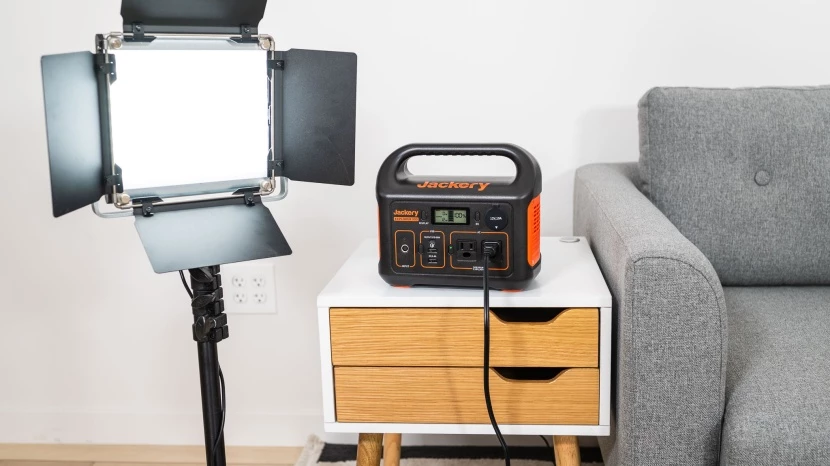
When it comes to real-world use, the Explorer 300 shines for small-to-medium electronics:
👍 Strengths
-
Excellent portability: The compact form factor makes it ideal for trips and mobile use.
-
Reliable phone and laptop charging: Multiple full recharges of phones and several partial laptop charges are easily achievable.
-
Solar compatibility: Using a 100 W panel, it can recharge in about 4–5 hours under good conditions.
-
Quiet operation: Unlike gas generators, the Explorer 300 runs silently, ideal for campsites or indoor use.
👎 Limitations
-
Limited power for high-draw devices: It won’t run high-wattage appliances like heaters, coffee makers, or large power tools.
-
Modest runtime: For extended off-grid stays without solar top-ups, the battery may deplete faster than needed.
-
Slow charging: Using a single wall charger can take several hours; solar or USB-C PD charging speeds vary based on conditions.
In independent testing, OutdoorGearLab noted that the Explorer 300 excels at charging phones and laptops but is limited by its smaller battery and output compared to bigger units.
Who Is the Jackery Explorer 300 For?
This model is best suited for:
-
Weekend campers and hikers who need reliable recharging for electronics.
-
Remote workers or travelers who need portable power for laptops.
-
Emergency kits as a compact backup power source during short power outages.
-
RV and road trips where portable, quiet energy is preferable to a gas generator.
If your power needs extend beyond small devices, a larger model (like Jackery Explorer 500 or 1000) may be a better fit. The Explorer 300 is a great entry point into portable power, but it won’t replace full home backup systems.
Pros and Cons Summary
Here’s a quick snapshot of the Jackery Explorer 300’s strengths and weaknesses:
✅ Pros
-
Lightweight and easy to transport — perfect for travel and outdoor use.
-
Multiple port types support a variety of devices.
-
Compatible with solar charging for extended off-grid stays.
-
Quiet and clean power — no fumes or noise like gasoline generators.
❌ Cons
-
Limited to low-wattage appliances and smaller equipment.
-
No built-in flashlight or advanced display features.
-
Charging can be slow without multiple inputs.
Final Verdict — Worth It?
If you want a versatile, reliable, and portable power station for everyday electronics, outdoor adventures, or as a compact emergency backup, the Jackery Explorer 300 delivers strong value for its size and price. Its combination of portability, solar compatibility, and multi-port output makes it one of the most popular choices in the small power station category.
However, if you plan to power heavier appliances or need power for longer periods without solar charging, you might consider stepping up to a larger unit in Jackery’s lineup. For its intended use — powering phones, laptops, and low-draw devices — this model stands out as a reliable and easy-to-use choice.